
Hunza Valley Travel Guide: Best Places to Visit, Things to Do & Travel Tips
Nestled among the magnificent peaks of Gilgit-Baltistan, Hunza Valley is one of Pakistan's most spectacular destinations. With turquoise lakes, snow-capped mountains, historic forts, traditional villages and beautiful orchards, Hunza offers an unforgettable experience for nature lovers, families, photographers and adventure seekers.
From the historic streets of Karimabad to the dramatic Passu Cones and the turquoise waters of Attabad Lake, every part of Hunza has something unique to discover.
https://tourism.gov.pk/publications/DISTRICT%20HUNZA.pdf?
Where Is Hunza Valley?
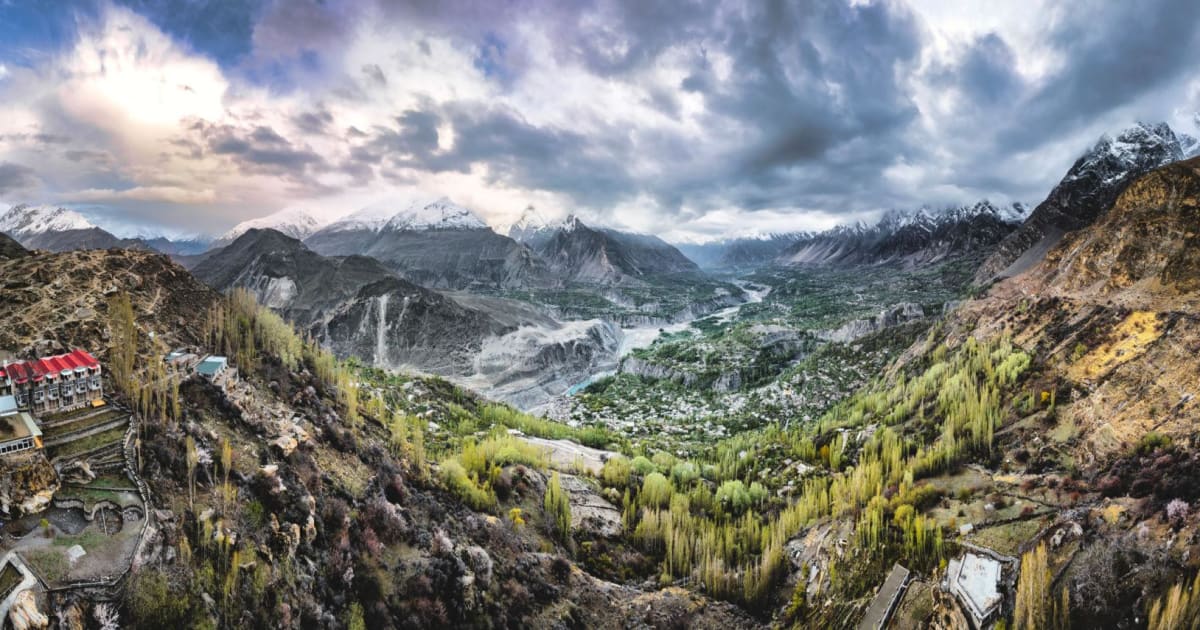
Hunza Valley is located in Gilgit-Baltistan in northern Pakistan, along the famous Karakoram Highway. The valley is surrounded by some of the world's most impressive mountain landscapes and provides access to several famous destinations in the region.
Karimabad is the main tourist centre of Hunza and is a popular base for exploring nearby attractions.
Hunza is also known for its rich cultural heritage, traditional villages, fruit orchards and historic forts. The Government of Pakistan's tourism information highlights attractions including Altit Fort, Baltit Fort, Attabad Lake, Passu and Duikar.
https://hasberabbi.com/tour-packages/islamabad
Best Places to Visit in Hunza Valley
1. Karimabad
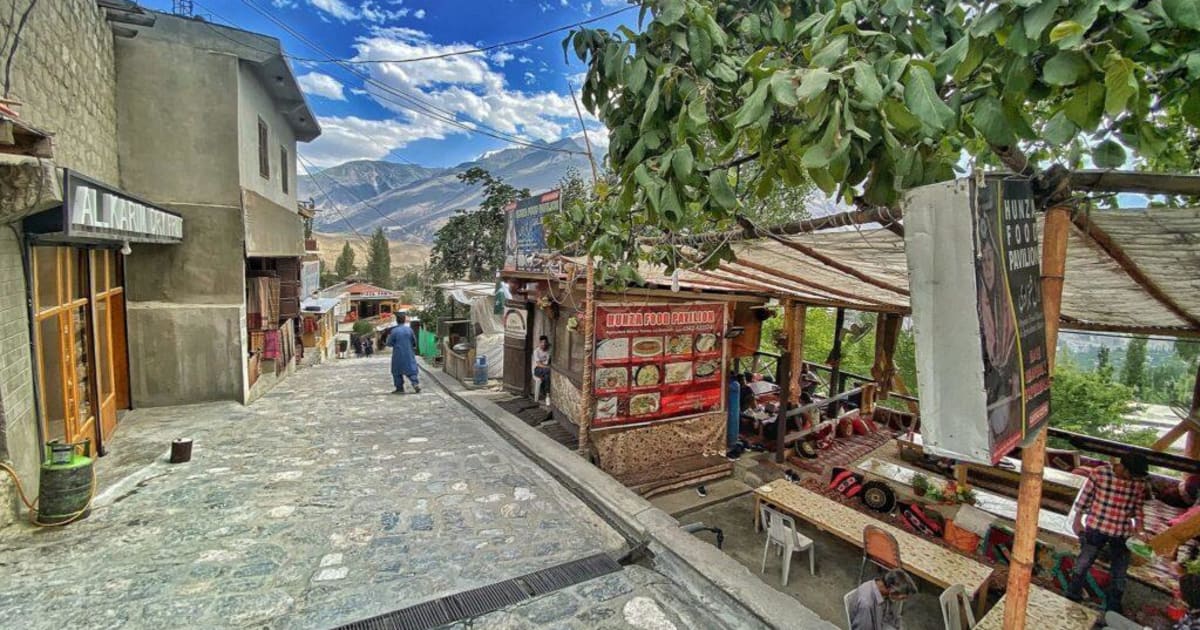
Karimabad is one of the most popular places to stay in Hunza. The town offers beautiful mountain views, traditional markets, restaurants, cafés and easy access to several major attractions.
Take some time to walk through the local streets, enjoy traditional food and admire the surrounding mountains.
2.Baltit Fort
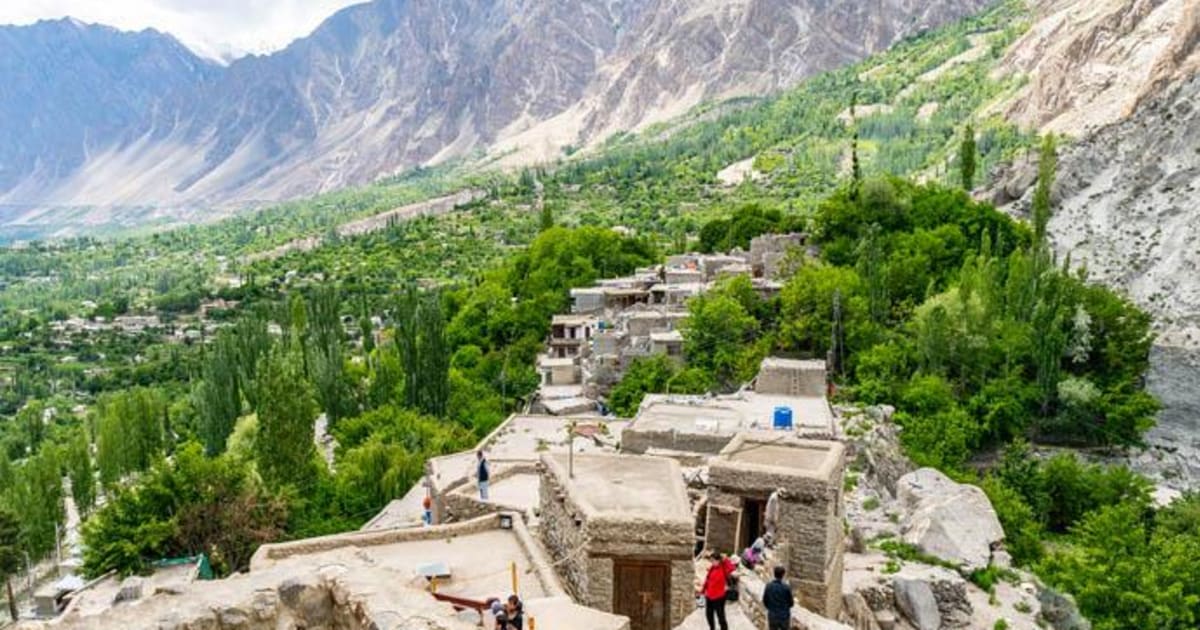
Perched above Karimabad, Baltit Fort is one of Hunza's most important historical landmarks.
The centuries-old fort reflects the region's architectural and cultural history and offers impressive views over the Hunza Valley.
Visitors interested in history, architecture and photography should definitely include Baltit Fort in their itinerary.
3. Altit Fort
Another important heritage site is Altit Fort, located near Karimabad.
The fort overlooks the Hunza River and surrounding valley and provides an opportunity to learn more about the history of the former Hunza state.
4. Attabad Lake
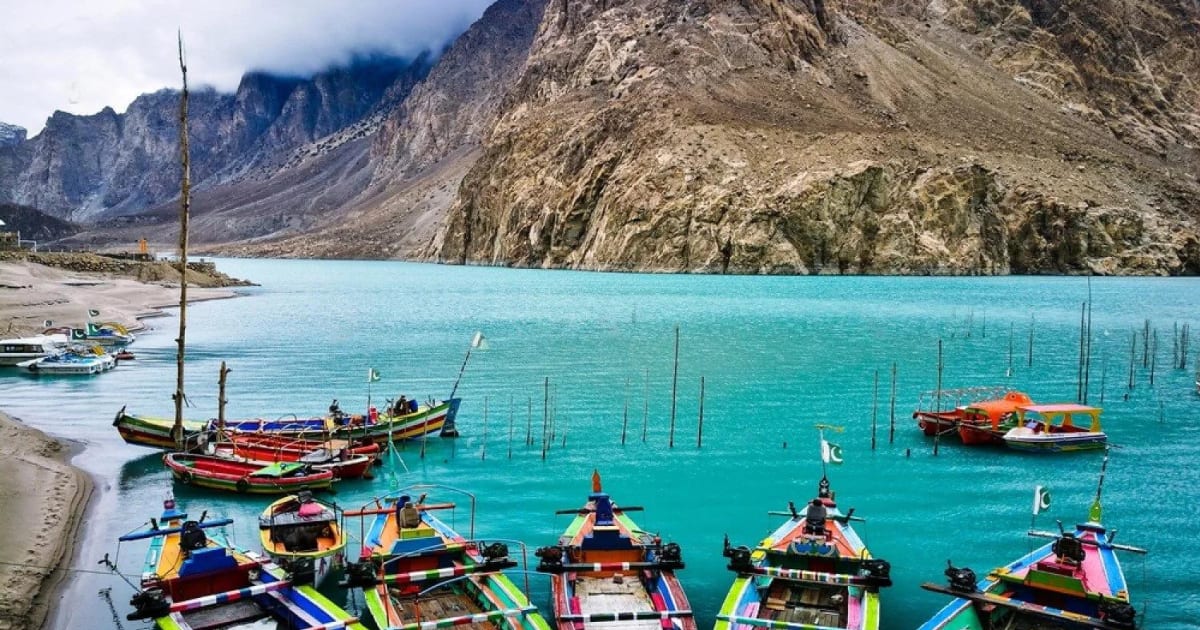
Attabad Lake is arguably one of the most recognizable attractions in Hunza.
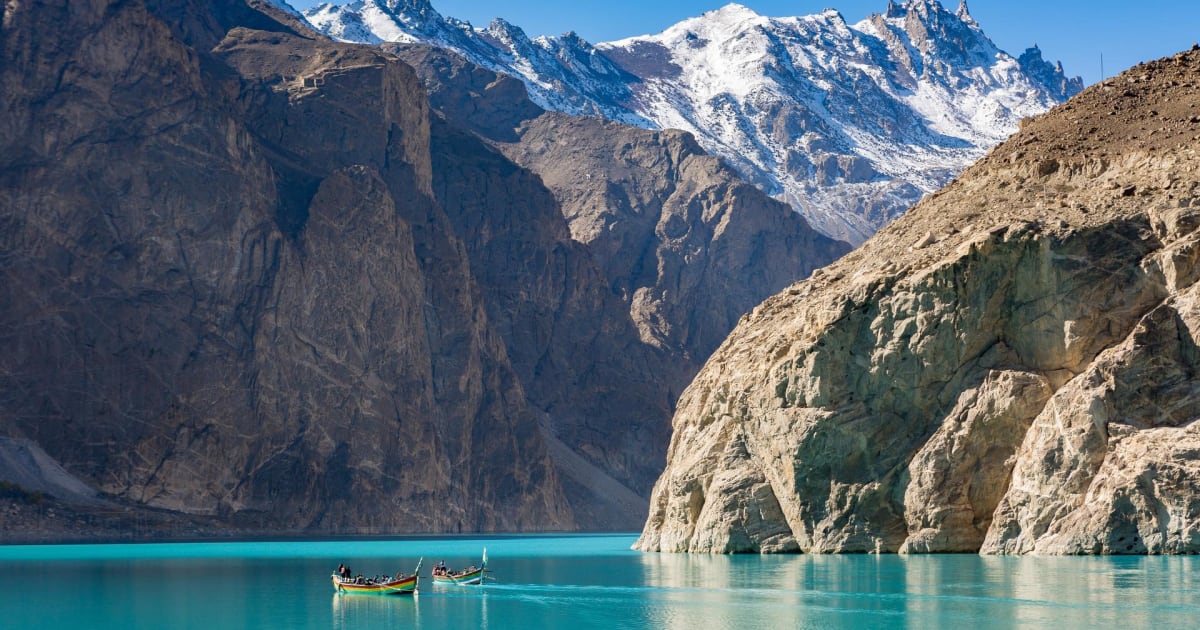
The lake is famous for its brilliant turquoise-blue water surrounded by steep mountains. It was formed after a massive landslide in 2010 and has since become an important tourist attraction.
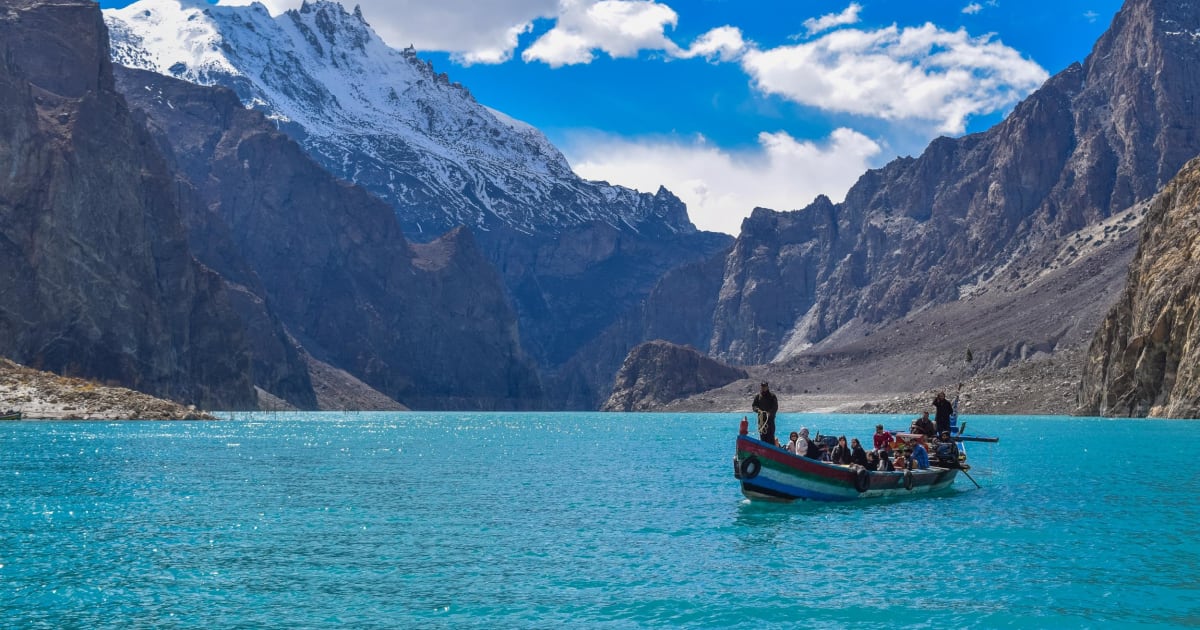
Visitors can enjoy the scenery and, depending on local conditions and operations, activities such as boating and other water-based recreation. Pakistan's tourism department specifically lists boating, jet skiing and fishing among activities associated with Attabad Lake.
5. Passu Cones
The dramatic Passu Cones are among the most photographed landscapes in northern Pakistan.
These sharply pointed mountain peaks rise dramatically above Passu and create one of the most recognizable views along the Karakoram Highway.
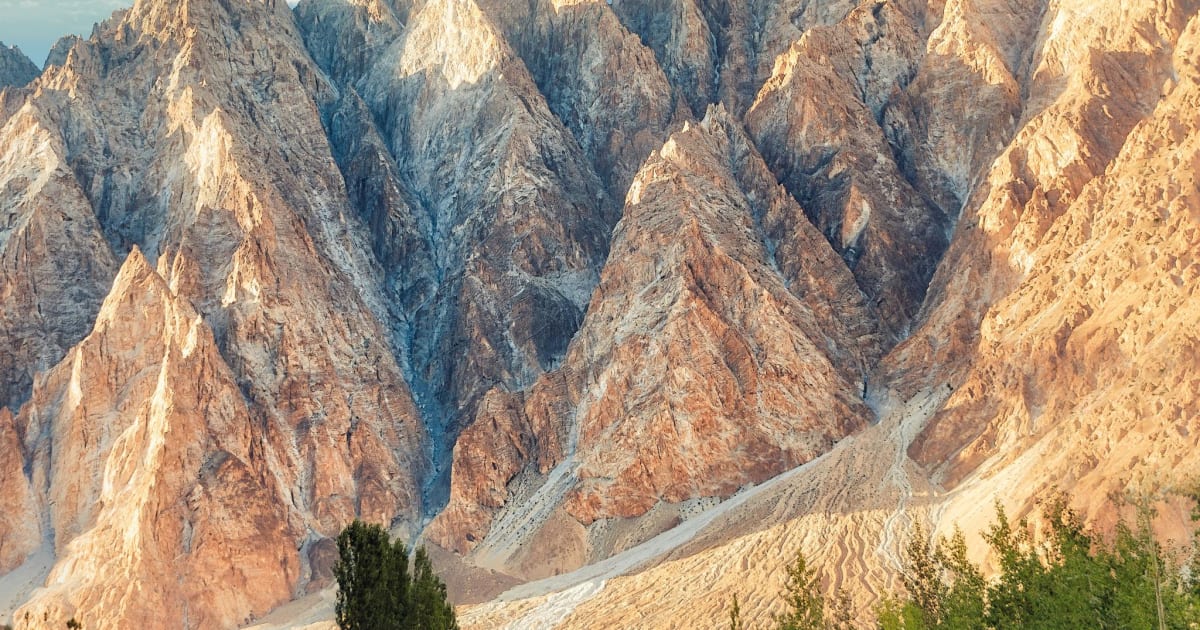
The surrounding area is ideal for photography and for travellers who want to experience the rugged beauty of Upper Hunza.
6. Hussaini Suspension Bridge
For adventure lovers, the Hussaini Suspension Bridge is another popular stop in the Upper Hunza region.
The bridge crosses the Hunza River and is surrounded by spectacular mountain scenery. It has become a well-known photography location for visitors exploring the region.
7. Khunjerab Pass
For a longer Hunza itinerary, consider travelling towards Khunjerab Pass, located on the Pakistan-China border.
The journey takes travellers deeper into the spectacular landscapes of the Karakoram. Because weather and road conditions can change, travellers should check current local conditions before planning this part of the trip.
Best Time to Visit Hunza Valley
The best time to visit Hunza depends on the type of experience you want.
Spring — March to May
Spring is famous for cherry, apricot and other fruit blossoms. The valley becomes particularly attractive as the orchards begin to bloom against the backdrop of snow-covered mountains.
If photography and blossom season are your priority, spring can be an excellent choice.
https://pakistantravellers.com/blog/best-time-to-visit-hunza?
Summer — June to August
Summer is a popular period for sightseeing, trekking and exploring the upper parts of Hunza.
The weather is generally more suitable for outdoor activities, although this is also a busy travel period.
Autumn — September to October
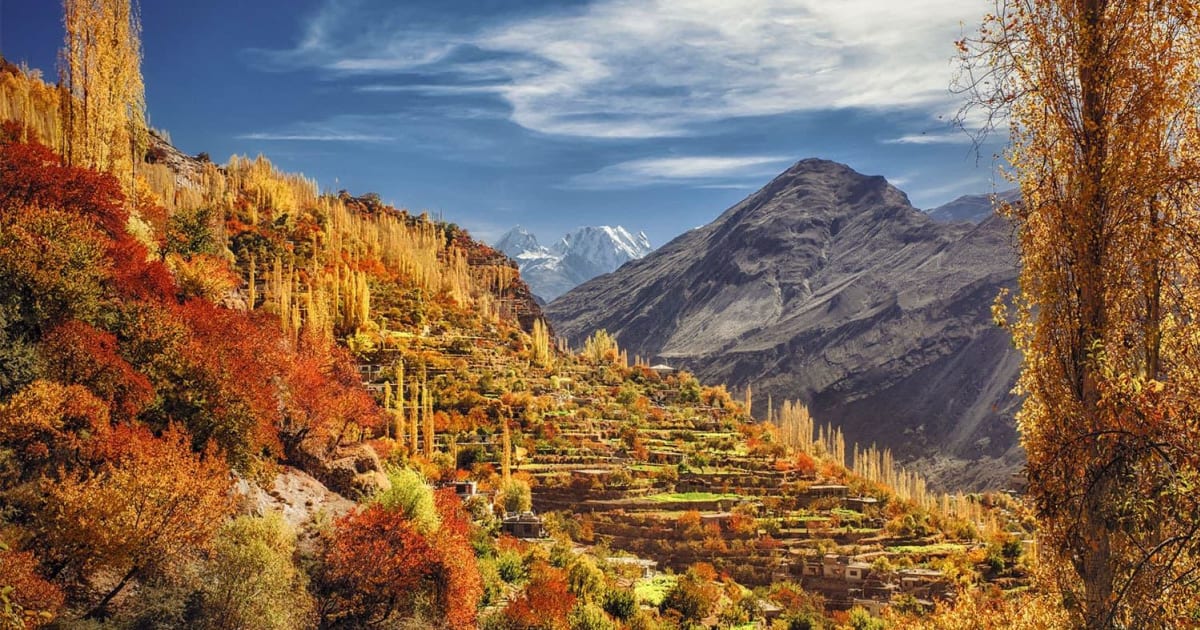
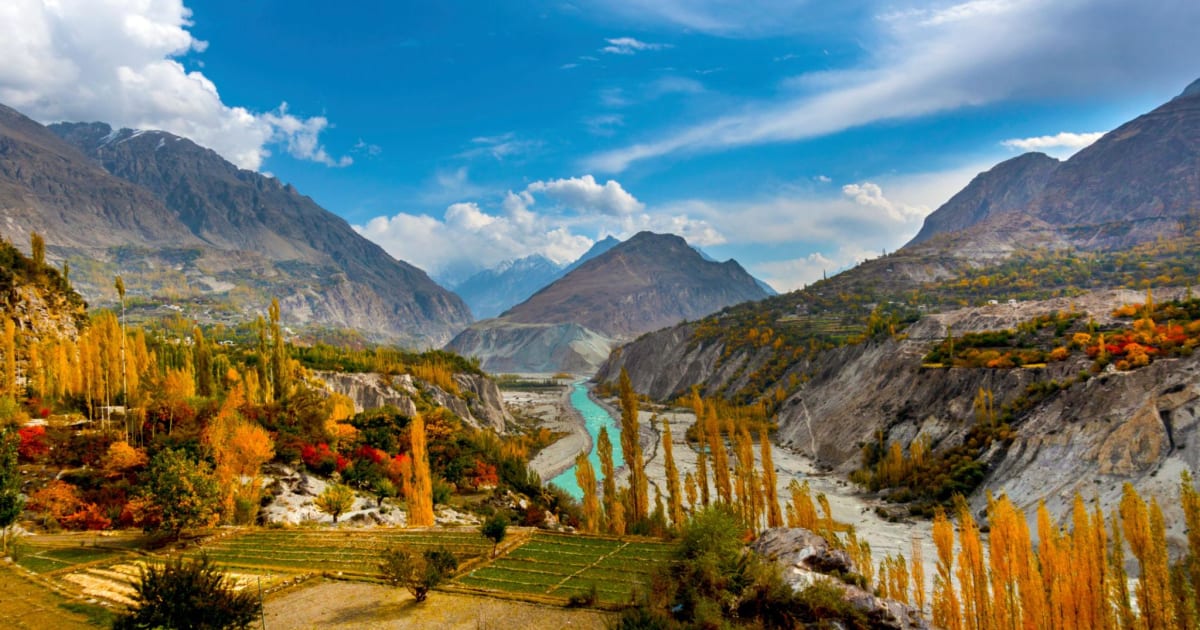
Autumn transforms Hunza with golden and yellow foliage.
The combination of colourful trees, clear mountain views and dramatic peaks makes autumn one of the most beautiful times to photograph the valley.
Recent 2026 travel guides also highlight spring blossoms and autumn colours as two of Hunza's major seasonal attractions.
Winter — November to February
Winter brings snow and a much quieter atmosphere.
However, colder temperatures and changing road conditions can make travel more challenging. If you plan a winter trip, check road and weather conditions before departure.
https://hasberabbi.com/tour-packages/islamabad
Things to Do in Hunza Valley
There is much more to Hunza than sightseeing.
Explore Historic Forts
Visit Baltit Fort and Altit Fort to experience the region's history and architecture.
Enjoy Mountain Views
Hunza is surrounded by dramatic peaks, making it an excellent destination for landscape photography.
Take a Boat Ride on Attabad Lake
When conditions and local services permit, boating on Attabad Lake is a memorable way to experience the turquoise water and surrounding mountains.
Explore Local Villages
Spend time away from the main tourist areas and explore traditional villages, orchards and local communities.
Try Local Food
Hunza is known for local fruits including apricots, apples, cherries and mulberries. Traditional regional dishes are also worth trying during your visit.
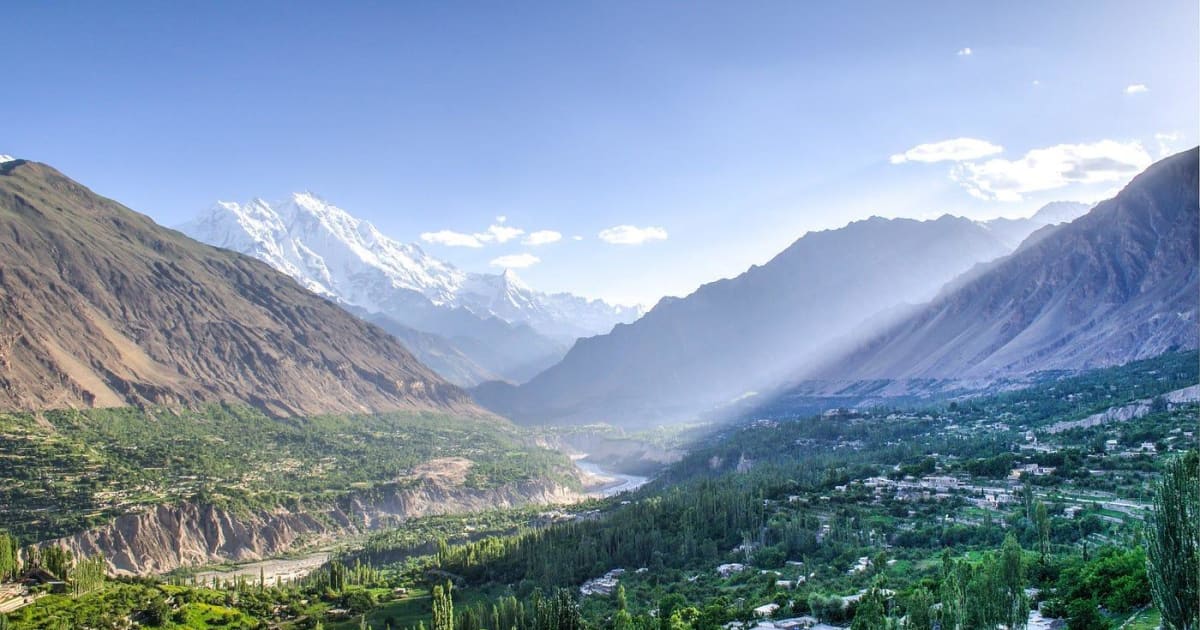
Watch the Sunset at Duikar
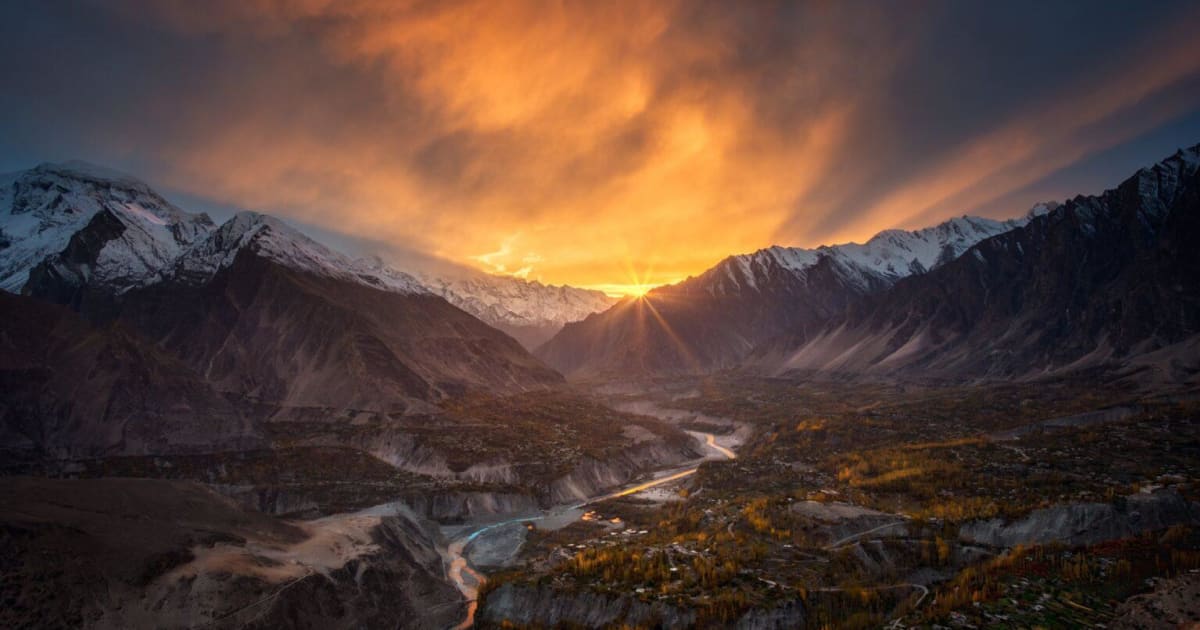
Duikar is particularly popular for panoramic views of the surrounding mountains and is known as a scenic location for sunrise and sunset.
How to Reach Hunza Valley
Most travellers reach Hunza through Gilgit and the Karakoram Highway.
If travelling by road from Islamabad, the journey is long but incredibly scenic. Another option is to travel to Gilgit by air and continue towards Hunza by road, subject to flight schedules and weather conditions.
Because mountain travel can be affected by weather, landslides and road conditions, it is important to check the latest situation before starting your journey.
https://hasberabbi.com/tour-packages/islamabad
Where to Stay in Hunza
Karimabad is one of the most convenient areas for first-time visitors because of its restaurants, accommodation options and proximity to major attractions.
Travellers looking for a quieter experience can also consider accommodation in areas around Altit, Ganish, Gulmit and Passu, depending on their itinerary.
For popular travel periods such as spring blossom season and summer holidays, booking accommodation in advance is recommended.
What to Pack for Hunza
Weather in the mountains can change quickly, so packing layers is a good idea.
Consider taking:
Warm jacket or fleece
Comfortable walking shoes
Sunglasses
Sunscreen
Basic medicines
Power bank
Reusable water bottle
Cash for areas where card facilities may be limited
Identification documents
For winter travel, additional warm clothing and appropriate footwear are particularly important.
Responsible Tourism in Hunza
Hunza's natural beauty is one of its greatest assets, so visitors should help protect it.
Avoid leaving plastic or other waste behind, respect local communities and traditions, and support local businesses whenever possible.
Buying locally produced handicrafts and products can also help support communities in the region. Pakistan's tourism guidance similarly recommends supporting local communities through local handicrafts.
Why Visit Hunza Valley?
Hunza combines nature, history, culture and adventure in one destination.
You can start your morning looking at snow-covered peaks, visit a centuries-old fort during the day, enjoy the turquoise waters of Attabad Lake and finish the evening watching the sunset over the mountains.
Whether you are planning a family holiday, a photography trip, an adventure tour or simply want to experience one of Pakistan's most beautiful regions, Hunza deserves a place on your travel list.
Frequently Asked Questions About Hunza Valley
Is Hunza Valley worth visiting?
Yes. Hunza offers spectacular mountain scenery, historic forts, lakes, traditional villages and seasonal landscapes, making it one of Pakistan's leading mountain destinations.
How many days are enough for Hunza?
For a first visit, 4–6 days can provide enough time to explore the major attractions around Karimabad, Attabad Lake and Upper Hunza. A longer stay allows for a more relaxed itinerary.
What is Hunza famous for?
Hunza is famous for its dramatic mountains, Attabad Lake, Passu Cones, historic forts, fruit orchards and beautiful spring and autumn scenery.
What is the best month to visit Hunza?
For blossom scenery, April and May can be excellent choices, while September and October are popular for autumn colours. Exact conditions vary from year to year.
Can families visit Hunza?
Yes. Hunza can be a great destination for families, particularly when the itinerary is planned around comfortable travel days and suitable accommodation.
Plan Your Hunza Trip with HasbeRabbi Travels & Tours
Ready to explore the breathtaking beauty of Hunza Valley?
HasbeRabbi Travels & Tours can help you plan your northern Pakistan journey with suitable travel arrangements and a carefully planned itinerary.
From the mountains of Hunza to the turquoise waters of Attabad Lake, make your next Pakistan adventure memorable.
Contact HasbeRabbi Travels & Tours to plan your Hunza trip today.