
Is Malaysia Expensive? A Closer Look at Everyday Costs in Kuala Lumpur
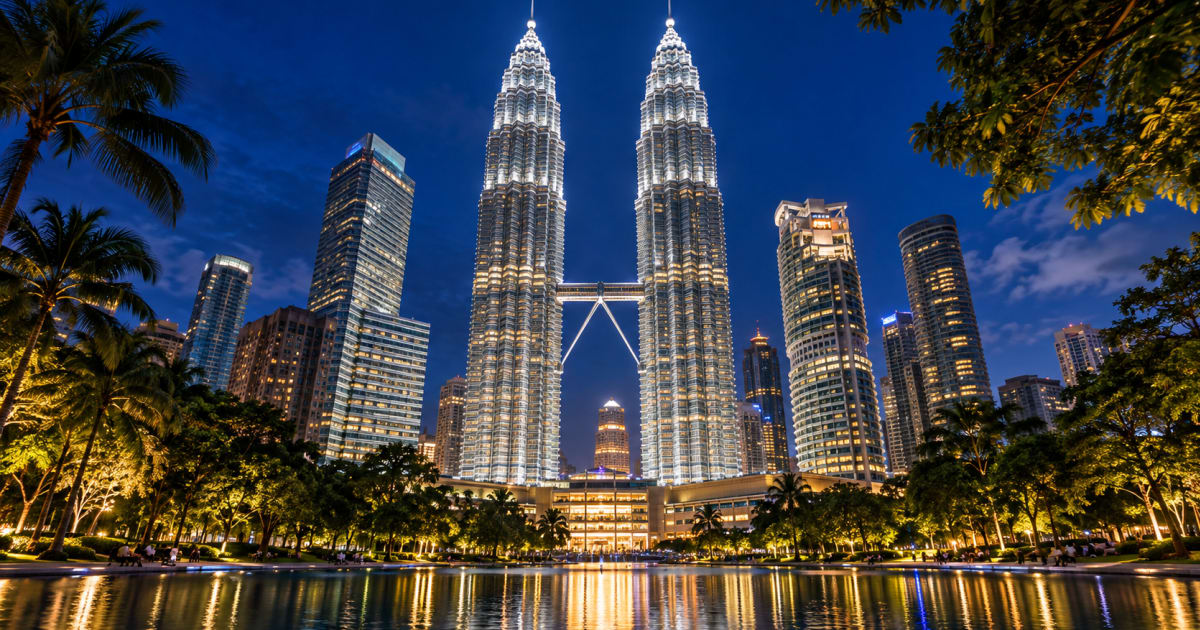
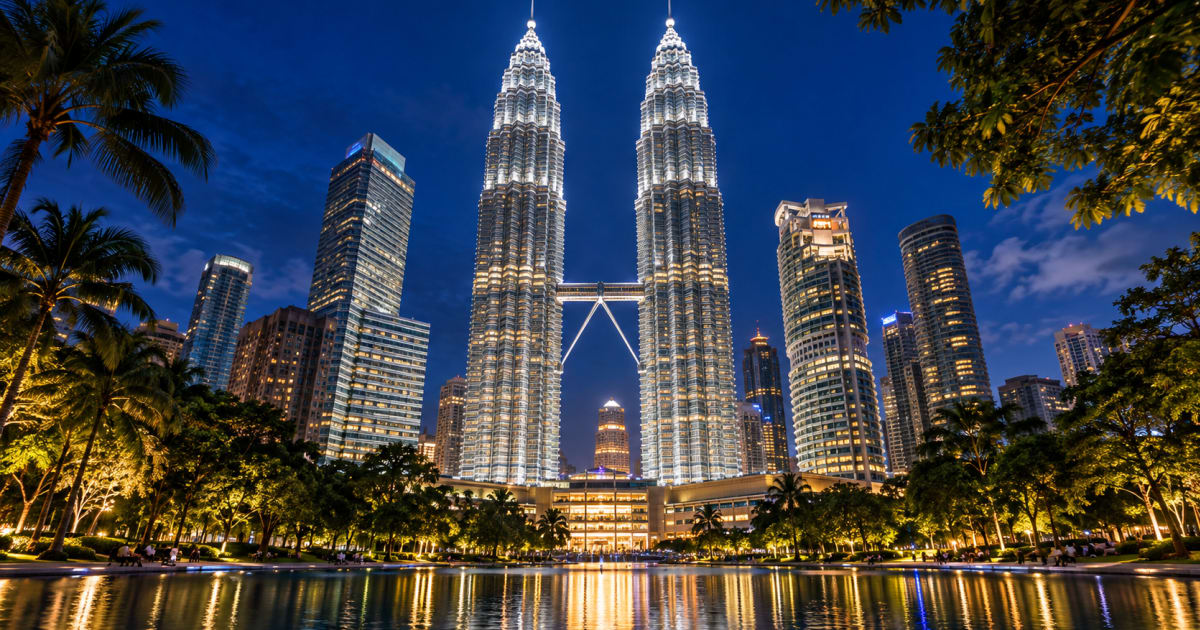
Kuala Lumpur looks like a city that could stretch your holiday budget. There are gleaming towers, busy shopping districts and plenty of places where it would be easy to spend more than planned. But a meal at a modest restaurant, a short train ride and an afternoon around the markets tell a different story.
You do not have to make every part of the trip expensive.
The useful question is not simply whether Malaysia is cheap. It is what you will actually spend money on once you arrive. Food, transport and those little purchases between sightseeing stops can say more about a destination than the price of a luxury hotel.
This guide draws on a traveller’s recorded walk through Kuala Lumpur, including local food stops and shopping at Petaling Street. The prices are examples reported in that footage, whose recording date has not been confirmed. They are not current quotations or averages for Malaysia as a whole.
What Do Everyday Purchases Cost?
Here are the clearest prices mentioned in the recording. Amounts are in Malaysian ringgit, written as RM; the currency code is MYR.
Item | Price reported | What to keep in mind |
|---|---|---|
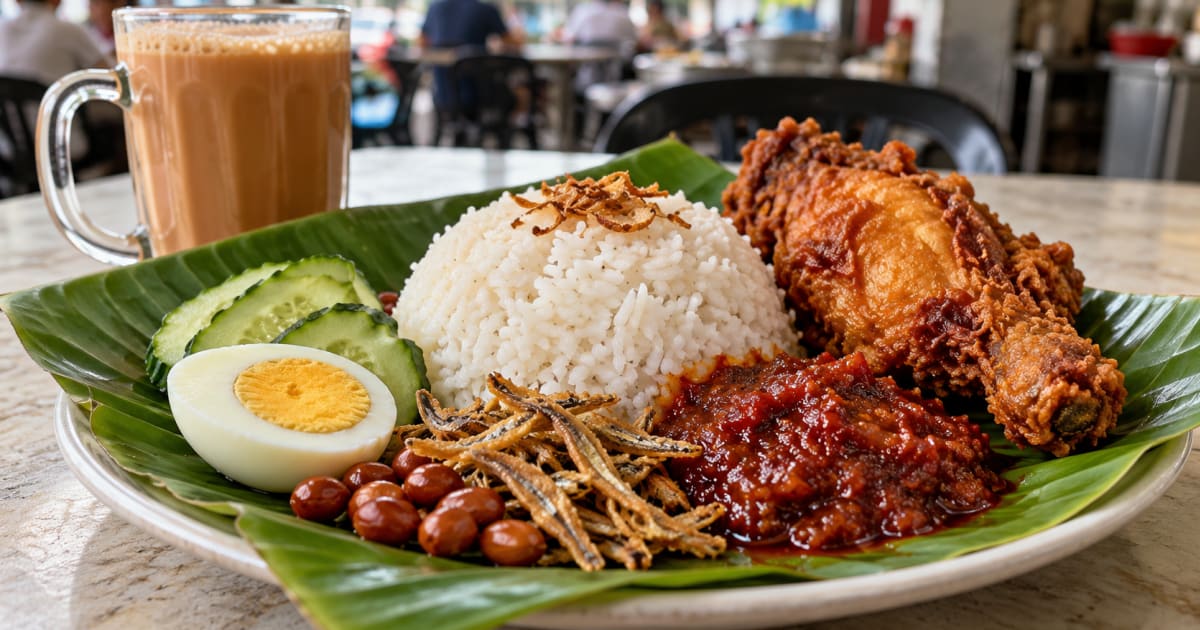
Rice-based meal with chicken, egg and tea | RM12.50 | One restaurant bill, not a standard menu price |
Short urban rail journey | About RM2 | The traveller describes roughly three or four stops; the route is unspecified |
Beard trim | RM10 | One local barber’s charge |
Malaysia souvenir T-shirt | RM40 | Bargained down from an opening price of RM55 |
Two apples | RM5 | One fruit seller’s price |
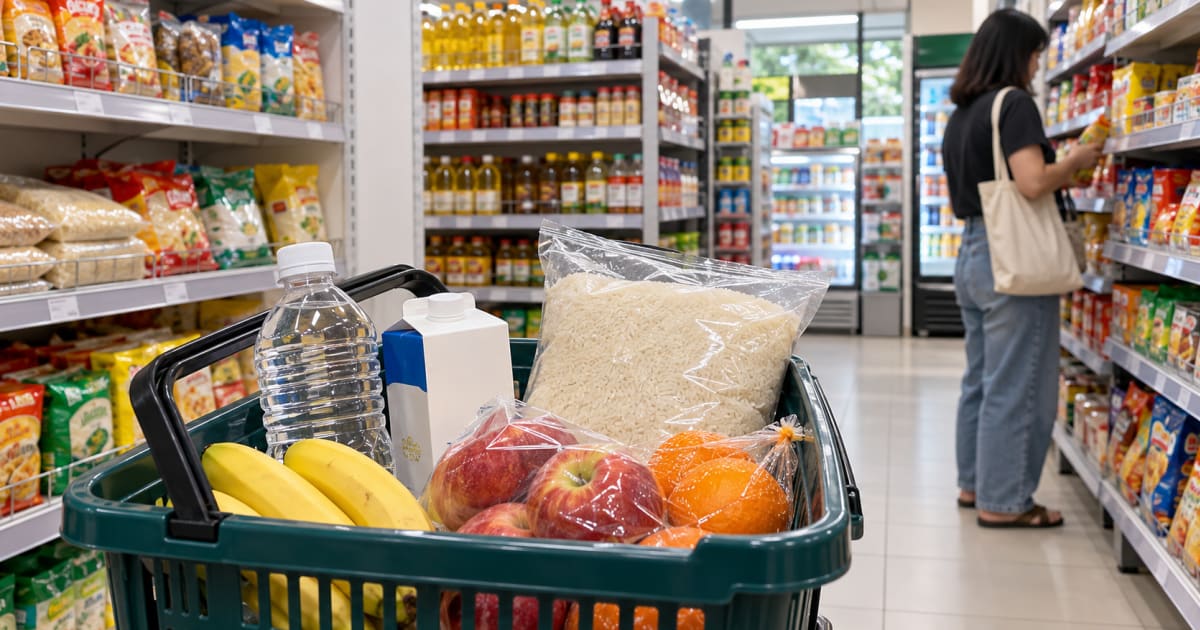
Bottled water at 99 Speedmart | Under RM1 | Transcript alternates between 90 and 99 sen; exact size and price need visual confirmation |
Rice, 5 kg | RM18.50 | Reported shelf price; brand unspecified |
Milk, described as 1 litre | About RM6.69 | Brand and milk type unspecified |
Four-bar Dettol soap pack | About RM10 | Reported price for the pack shown |
Slippers near Masjid India | RM20–25 | Different options quoted by one seller |
These are useful reference points, but they do not add up to a complete daily budget. Accommodation, airport transfers, mobile data, attraction tickets and the rest of the day’s meals still need to be counted.
A Local Meal Can Keep Spending Manageable
One of the most helpful moments in the recording is also the simplest: lunch.
The traveller orders a rice-based plate with chicken, egg and accompaniments, then has tea alongside it. The reported bill comes to RM12.50. It is a specific example of what one meal cost, rather than a promise that every restaurant will charge the same.
For a first visit, nasi lemak is a dish worth getting to know. Traditionally built around rice cooked with coconut milk, it commonly comes with sambal, peanuts, anchovies and cucumber. Chicken and other additions can make it a more substantial meal. Tourism Malaysia includes nasi lemak among the city’s familiar local favourites.[1]
The practical detail is the final order. A basic plate and a plate with extra meat, sides and drinks may have different prices. Check the menu, ask what is included and choose the portion you actually want.
And if you prefer mild food, ask whether the sambal can be served separately. You can always add more.
Check the Train Route Before Booking a Car
In the recording, a short rail journey costs about RM2. That is encouraging for a traveller watching everyday spending, but it is not a flat fare for every journey in Kuala Lumpur.
Use the official Rapid KL journey planner to check your particular route.[2] The fare and convenience depend on where you start, where you finish and how much walking or changing trains the trip involves.
A sensible habit is to look at the rail option before booking a car. When the stations line up with your plans, it may be an easy choice. When you have luggage, tired children or several people travelling together, compare the total cost and convenience of a car instead.
The goal is to spend deliberately. Saving a little on a journey is useful; turning every outing into a complicated commute is less appealing.
Petaling Street: Browse First, Buy Second
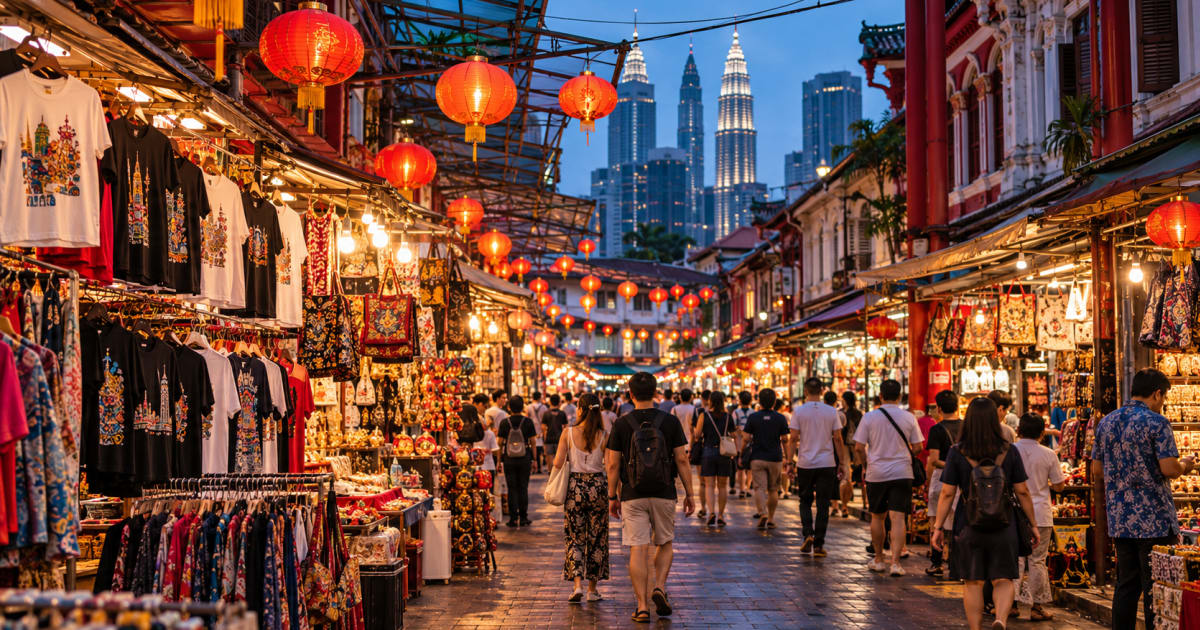
Petaling Street gives this part of the trip its shopping stop. Tourism Malaysia places it in Kuala Lumpur’s Chinatown and highlights the area’s mix of shopping, food and heritage.[3]
In the footage, the traveller buys a Malaysia souvenir T-shirt. The seller initially asks for RM55; the agreed price is RM40.
That exchange is a useful reminder to take your time. Compare a few stalls, look at the fabric and finishing, and decide what the item is worth to you. Where bargaining is welcome, make a polite offer. The price one visitor negotiates is not a guaranteed rate for everyone else.
You do not need a bag full of purchases for the visit to feel worthwhile. Sometimes one souvenir you will actually use is enough.
There is another small lesson in the recording: some shopkeepers do not want filming inside their shops. Ask before pointing a camera at a person or a stall, and respect the answer. There is no need to speculate about why someone prefers not to be recorded.
Leave Room for the Everyday Side of the City
The walk also includes conversations, a barber visit and a stop for fruit. These details are easy to overlook when planning a holiday around headline attractions, yet they give the trip a more ordinary, lived-in rhythm.
The traveller reports paying RM10 for a beard trim and RM5 for two apples. Neither purchase is essential to a sightseeing itinerary. Both help illustrate the kind of small expenses that can crop up between larger plans.
Around Jalan Masjid India, Tourism Malaysia describes shopping associated with Indian clothing, ornaments and accessories.[4] It offers another angle on the city alongside the Petaling Street visit.
Give yourself time to browse without having to buy something at every stop. A packed schedule can leave very little room for the meal, conversation or unexpected shop that becomes your favourite part of the afternoon.
Mamak Food and Familiar Flavours
Later in the walk, dinner becomes a chance to sit down with someone who knows the city. The order is straightforward: naan, tandoori chicken and an iced lime drink. It is the sort of meal that may feel familiar if you are travelling from Pakistan or India, even while the surroundings are new.
The restaurant is described as a mamak eatery. Tourism Malaysia identifies mamak food with Indian Muslim origins and notes its popularity in Kuala Lumpur.[5] No clear bill is given for this dinner, so it should not be included as another priced meal in your budget.
If you have dietary requirements, ask about the specific dishes you plan to order. The local companion mentions dedicated vegetarian restaurants, which may be worth looking for if separate preparation matters to you. For halal requirements, check the particular restaurant’s status rather than assuming every outlet in a neighbourhood is the same.
The Small Shopping Stop That Can Make a Difference
One of the most useful stops in the second half of the walk is a grocery shop.
At 99 Speedmart, the traveller and his companion compare everyday items with prices they have seen elsewhere. The chain describes itself as a neighbourhood mini-market business selling daily essentials.[6] For visitors, the useful lesson is simple: compare nearby grocery shops before buying every drink and snack at the first convenient counter.
The water example stands out. The speakers describe a bottle costing less than RM1 in the store, compared with RM2.50–3 elsewhere. Those are their observations, not a verified comparison of current prices. The transcript also switches between 90 and 99 sen, so an exact figure would be misleading.
Other reported shelf prices include RM18.50 for a 5 kg bag of rice, about RM6.69 for milk described as a litre, and roughly RM10 for a four-bar soap pack. Rice may matter more to someone staying in accommodation with a kitchen than to a visitor eating out for a few days. Either way, check the brand and pack size before comparing prices.
This does not establish that one chain is always cheapest. It does suggest a useful travel habit: buy a few everyday supplies together, then get on with enjoying your day. There is little point crossing the city to save a small amount on a single bottle.
Around Masjid India: Shopping, Prayer and a Pause
The evening continues around Masjid India, with a prayer stop, shops and time spent talking to a local contact. It adds a quieter moment between the food and shopping stops.
A department store referred to as Haniffa in the transcript is mentioned for Indian snacks, sweets and familiar groceries. Think of it as a lead to check if you are looking for particular products, rather than a guarantee that every item will be in stock.
Nearby, a seller quotes RM20–25 for different slippers. As with the souvenir T-shirt, the useful question is whether the quality and fit suit you. A low price is only a saving if you actually want what you are buying.
If you stop at a mosque, follow the entry and dress guidance on site and give worshippers space. Ask before taking photographs, especially indoors.
Compare Currency Exchange Quotes Carefully
The traveller also exchanges money near Masjid India and says the quote is better than at places used earlier in the trip. The transcript does not establish a complete, reliable rate comparison, so it would be premature to name a particular counter as the best option.
Ask how many ringgit you will receive for the exact amount and currency you hand over, including any fees. That final amount is more useful than comparing loosely quoted numbers. Check the receipt and count your money before leaving.
How to Use These Prices When Planning Your Trip
Treat the figures as a starting point for questions, not a finished holiday quotation.
First, separate essential costs from optional spending. Your room, transport and meals belong in the first group. Souvenirs and extra shopping belong in the second. That makes it easier to see where you can adjust the budget without affecting the basics.
Second, keep your calculations in ringgit until you have a current exchange rate. An old conversion into Indian or Pakistani rupees can make a reasonable price look misleadingly cheap or expensive.
Third, check what each quoted price includes. A restaurant bill with tea cannot be compared directly with a food-only menu price. A short train journey says little about an airport transfer. Small differences matter when you start multiplying costs across several days or a whole family.
Finally, leave some breathing room. You may want another drink, a different meal or the convenience of a car after a long day. A budget that allows no flexibility can become frustrating very quickly.
So, Is Malaysia Expensive?
The Kuala Lumpur examples suggest that some everyday purchases can be manageable for a budget-conscious visitor: a RM12.50 meal with tea, a roughly RM2 short train ride and fruit bought from a local seller.
They do not establish the total cost of a Malaysia holiday. That depends on your accommodation, travel dates, route and the experiences you choose to pay for.
Still, they offer a reassuring starting point. You can enjoy a city through its meals, markets and ordinary streets as well as its famous landmarks. In Kuala Lumpur, this recorded afternoon shows how those smaller experiences can become a worthwhile part of the trip.
Frequently Asked Questions
How much does a local meal cost in Kuala Lumpur?
The supplied recording includes one meal with chicken, rice, egg and tea for RM12.50. It is an observed example, not a verified current average. Check individual menus before ordering.
Does every train journey in Kuala Lumpur cost RM2?
No. The traveller reports paying about RM2 for one short journey. Check the official Rapid KL planner for your actual route and current travel information.[2]
Can you bargain at Petaling Street?
The recording shows a souvenir T-shirt negotiated from RM55 to RM40. Ask politely where negotiation is welcome; do not assume every shop or product has a negotiable price.
Where can you compare prices for everyday supplies?
The recording includes a visit to 99 Speedmart for water, groceries and toiletries. Compare the shelf prices and pack sizes with other convenient shops; the video does not prove that one chain is always cheapest.
How much was bottled water in the recording?
The speakers describe a bottle costing under RM1 at 99 Speedmart, but alternate between 90 and 99 sen. Treat this as a rough observed example, not an exact current price.
Is this enough information to calculate a full trip budget?
Not yet. A complete estimate also needs accommodation, flights, airport transfers, mobile data, attractions and other meals. Those costs are not established by this transcript extract.